Drawing on medical-device software and product-line platforms brought to market, I am building Agentic Engineering that connects requirements, code and verification through evidence.
Across application engines, embedded systems, ultrasound products and shared platforms, my work has grown around one question: how do we make software understandable, testable and ready to evolve?
01Development architecture
Designing agent roles, permissions, collaboration and verification as one engineering workflow.
02Traceability & change impact
Connecting requirements, design, code and tests; using CPG analysis to investigate the impact of change.
03Leadership in practice
Bringing lessons from Agile adoption and SPLE commercialization into how teams work with AI.
Holmes-Kit is my independent practice in evidence-based agentic development. Explore the design, implementation and verification records behind the ambition.
Choose a tool for your next change
Start with evidence for a code change, or explicit collaboration between CLI sessions.
Local collaboration between enrolled Codex/Claude sessions and managed AGY processes, separating delivery from acknowledgement. An alpha for early evaluators.
From requirements to code impact, connected by evidence.
Building toward an Agentic Software Engineering Harness that combines requirements–design–code–test traceability with Code Property Graph analysis. So agents can explain why a change exists, what it affects, and what evidence verifies it.
Implemented here
Requirements, design, implementation and test specifications are linked in the Holmes Lab workflow.
Verified in this work
Test execution, static checks and builds provide local evidence. They do not establish the accuracy of every impact analysis or enforcement in every environment.
The next goal
Measure traceability accuracy and missed change impacts, and develop a workflow teams can trust repeatedly.
TRACEABILITY ↔ CHANGE IMPACT
01 ↔Requirement change
02 ↔Impact analysis · CPG
03 ↔Agent implementation
04Verification · Evidence
Explore a change: session expiration
01 / What requirement?
An expired session must not authorize a protected action. Trace that requirement through the access-control design to session validation.
02 / What is affected?
If expiration logic changes, follow code relationships to callers and protected routes. Unresolved relationships remain analysis gaps.
03 / What verifies it?
Link valid, expired and exact-boundary cases to execution evidence. A linked test without a run is still unverified.
Illustrative example · not a live analysis or execution result
Six chapters of an engineering practice. Open a chapter to explore the problem, the role and the thinking behind it.
01Building tools for peopleFrom a character on a page to a model of an idea.+
Problem
I built software for editing documents, searching knowledge and representing ideas and business structures on screen.
My role
I developed a children’s word processor formatting engine and customized its GUI; co-developed MindMapper 3.0 and a supply network planning modeler. Later designed and implemented an old-document database and search web server.
Approach
I worked across C/C++ desktop applications, Java/JSP and relational databases, implementing document processing, interfaces, storage and retrieval.
Connection · interpretation
Building user-facing capabilities drew my attention to the operating systems and hardware underneath them.
02Working at the hardware–OS boundaryFrom board signals to kernels and streaming paths.+
Problem
I developed an embedded Linux PVR set-top box, working on board bring-up and audio/video data paths.
My role
I ported the Linux kernel, customized and optimized A/V drivers, and developed a bootloader and firmware-upgrade interface. Co-designed and implemented dual-OS/processor IPC and streaming for a prototype.
Approach
I used JTAG to debug device control and data paths, connecting kernel, drivers and IPC. Development used C/C++ and PowerPC assembly.
Connection · interpretation
I carried this experience across software and hardware boundaries into imaging systems and hardware interface design.
03Making products work in the fieldImaging control, performance, production and service.+
Problem
I improved ultrasound imaging control, configuration and a framework running on low-performance CPUs, alongside diagnostics for production and service.
My role
I served as technical lead for imaging control/configuration and software project leader for ACUSON X300 v4.0, contributing to multiple ultrasound products.
Approach
I improved the Common Imaging Architecture for constrained CPUs. I built diagnostics, production utilities and automated self-diagnostic/production tests so products could be checked beyond development, in manufacturing and service. I worked with manufacturing and engineering teams on deployment and stabilization.
Connection · interpretation
Working on production, diagnostics and service broadened my perspective from individual features to system structure and testability.
04Designing the whole systemMaking testability part of the structure.+
Problem
I designed software connecting ultrasound imaging control, back-end processing and hardware interfaces.
My role
I was software architect for H60 and PT60A and software project lead for H60. Immediately beforehand, I designed a unit-testing framework for embedded Linux TV software.
Approach
I designed and implemented object-oriented architecture and frameworks using .NET and native C++. I treated testability and serviceability as architectural requirements, applying event-driven and data-centric structure.
Connection · interpretation
I extended what I learned about structure and verification within one system to commonality and variation across entire product families.
05Designing platforms for product familiesConnecting commonality, variation, generations and teams.+
Problem
I developed shared software platforms across ultrasound products and generations, using SPLE to address common foundations and product-specific variation.
My role
I led software strategy and execution as ultrasound software architect and SPLE platform development head from August 2013 to April 2026. Across platform and system software teams and the Platform Lab, I connected the shared platform, One Branch and unified UX to commercial delivery.
Approach
I set a direction that integrated product-specific development through a shared platform and One Branch. I planned UX unification within that strategy. From the perspective of hardware control in software, I led the shift to integrated hardware design with a shared superset and product-specific variants. I carried architecture, code integration and Agile collaboration into commercial products.
Connection · interpretation
I now apply what I learned about shared technical foundations and collaboration to AI infrastructure and ecosystems across the organization.
06Expanding how engineering gets doneConnecting AI infrastructure and ecosystems to real work.+
Problem
I focus on secure, scalable internal AI infrastructure and ecosystems supporting enterprise-wide transformation in medical equipment.
My role
I lead the AX Development Part at Samsung Medison. Agentic Software Engineering Architect describes the professional practice I am developing.
Approach
I architect and build internal infrastructure and ecosystems through AI Platform Engineering. Internal implementation details and operational results are not disclosed on this page.
Connection · interpretation
I bring implementation, product lifecycle, shared platforms and organizational leadership together in my current work. Below, I share my personal engineering projects separately.
From August 2013, I set a direction for ultrasound software that could evolve across products and generations. I led the shift to an SPLE-based shared platform and One Branch strategy, connecting software architecture, code integration, unified UX and the transition to integrated hardware and variant design with commercial delivery.
MY ROLEI led platform development from August 2013 as software architect and platform head, advancing SPLE, One Branch and unified UX through development projects and teams.
HS50
HS40
HS30
HM70 EVO
I brought shared architecture and product variation into one platform, then led its application across this first ultrasound product family.
MY ROLEI led platform development from August 2013 as software architect and platform head, advancing SPLE, One Branch and unified UX through development projects and teams.
V7
V6
V5
With V8 as the new base, I led platform development that carried forward into V7, V6 and V5, connecting platform evolution with product expansion.
MY ROLEI led platform development from August 2013 as software architect and platform head, advancing SPLE, One Branch and unified UX through development projects and teams.
R20
I carried the shared-platform approach into the third base, Z20, and its first variant, R20. I will introduce further variants as information becomes public.
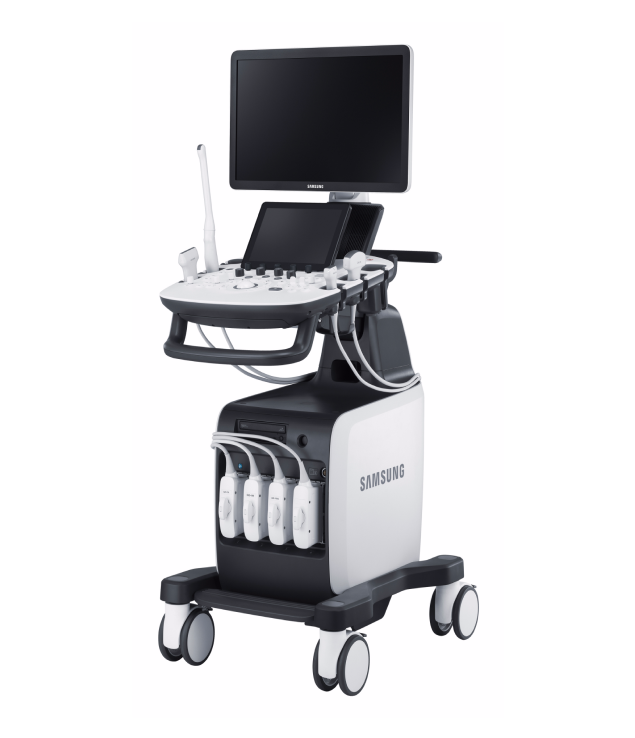
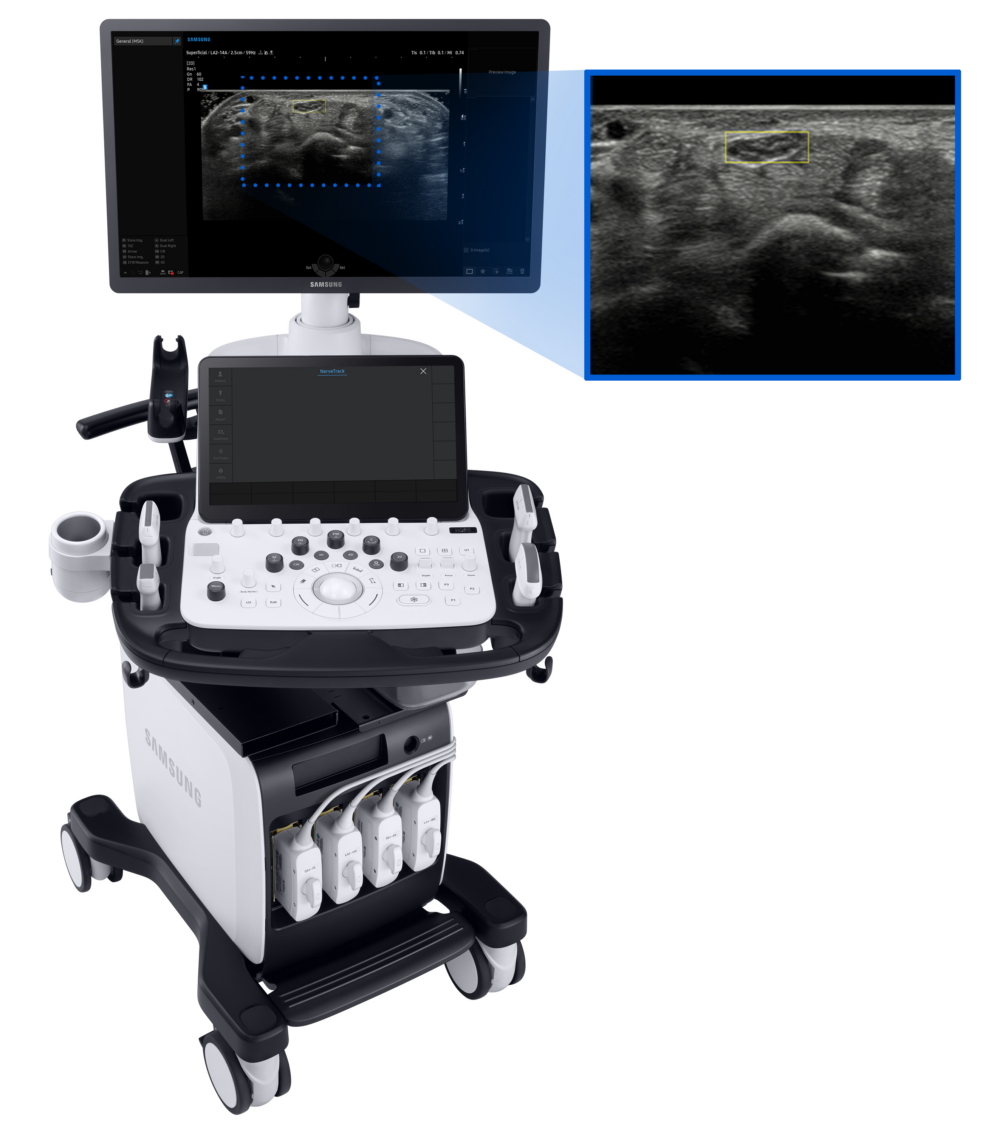
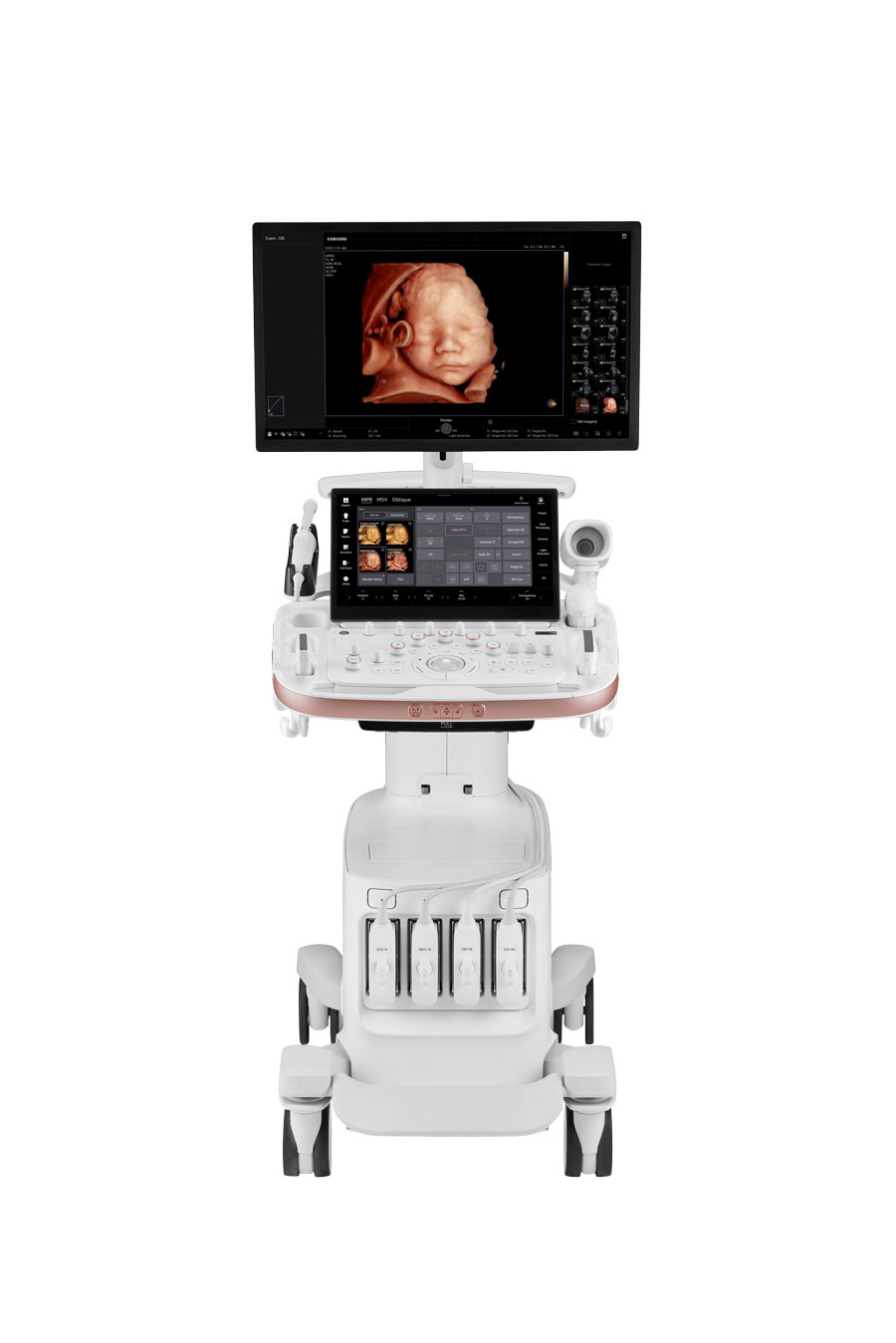
I led software architecture, development projects and engineering organizations to bring this shared platform into these products. Across different product specifications and schedules, my teams and I established a shared engineering system that improved development efficiency and carried technology and experience into future products and company growth. Manufacturer photographs introduce the products; the family map is a conceptual overview of their lineage.
My goal is an engineering system that teams can trust and use repeatedly: one where people can understand, verify and take responsibility for software built with AI agents.
LET’S COMPARE NOTES
A difficult problem. A good conversation.
Products, platforms, AI transformation — share a question or an idea worth exploring.
 Holmes LabAgentic Software Engineering Architect